Company: DHL Express (DHL Group)
Project Overview:
In this group project, we
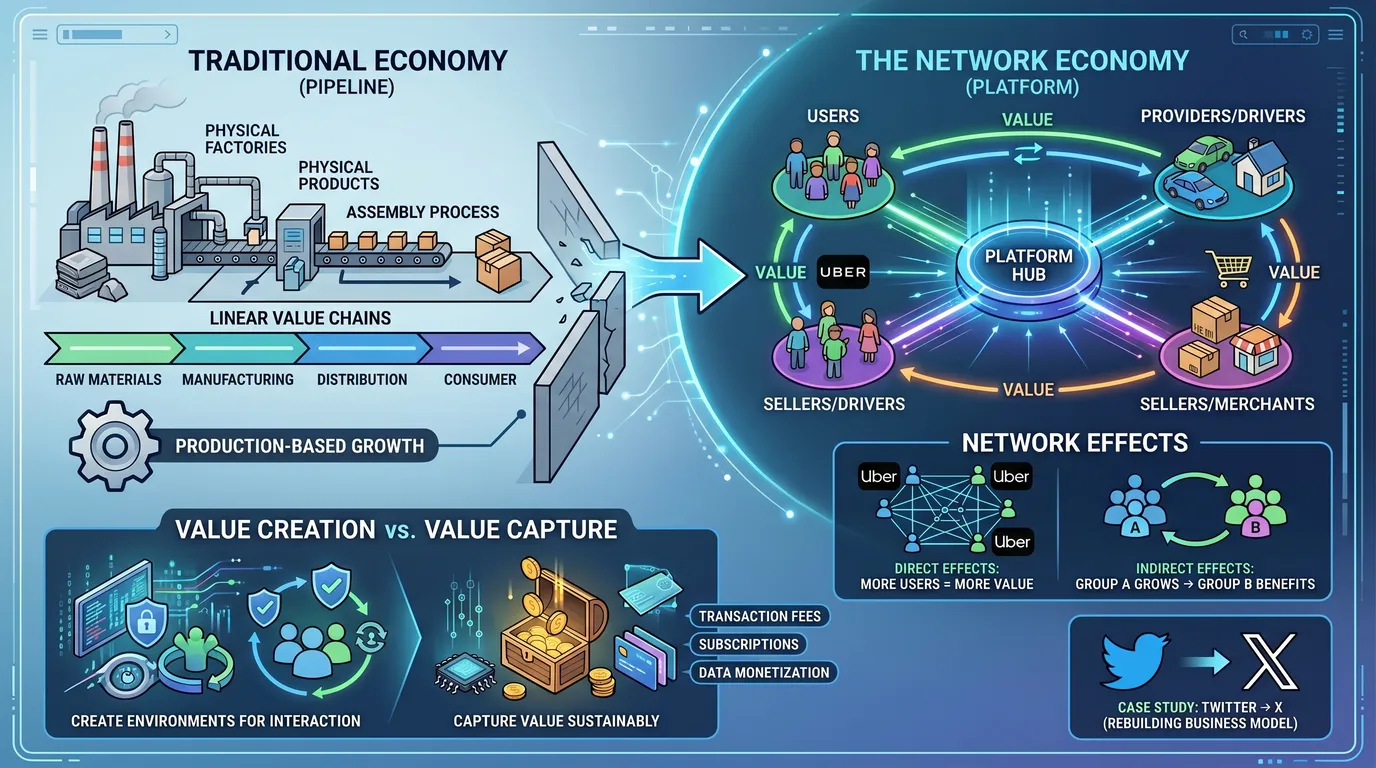
conducted a comprehensive digital transformation audit of DHL, analyzing how a legacy logistics
giant is adapting to the "platform economy." We began by evaluating the broader DHL Group's
market position and digital ecosystem. However, for the specific maturity assessment and audit,
we narrowed our focus to the DHL Express division. Moving beyond surface-level analysis, we
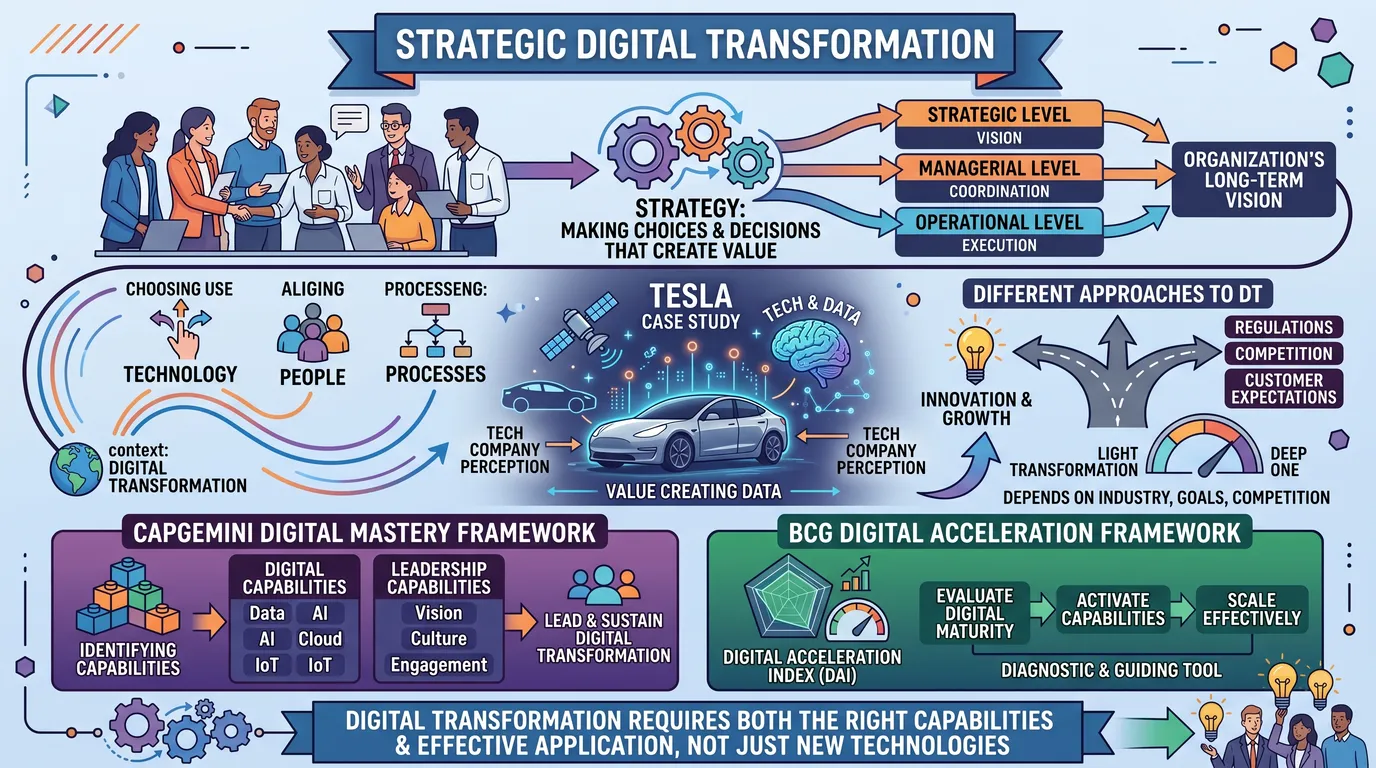
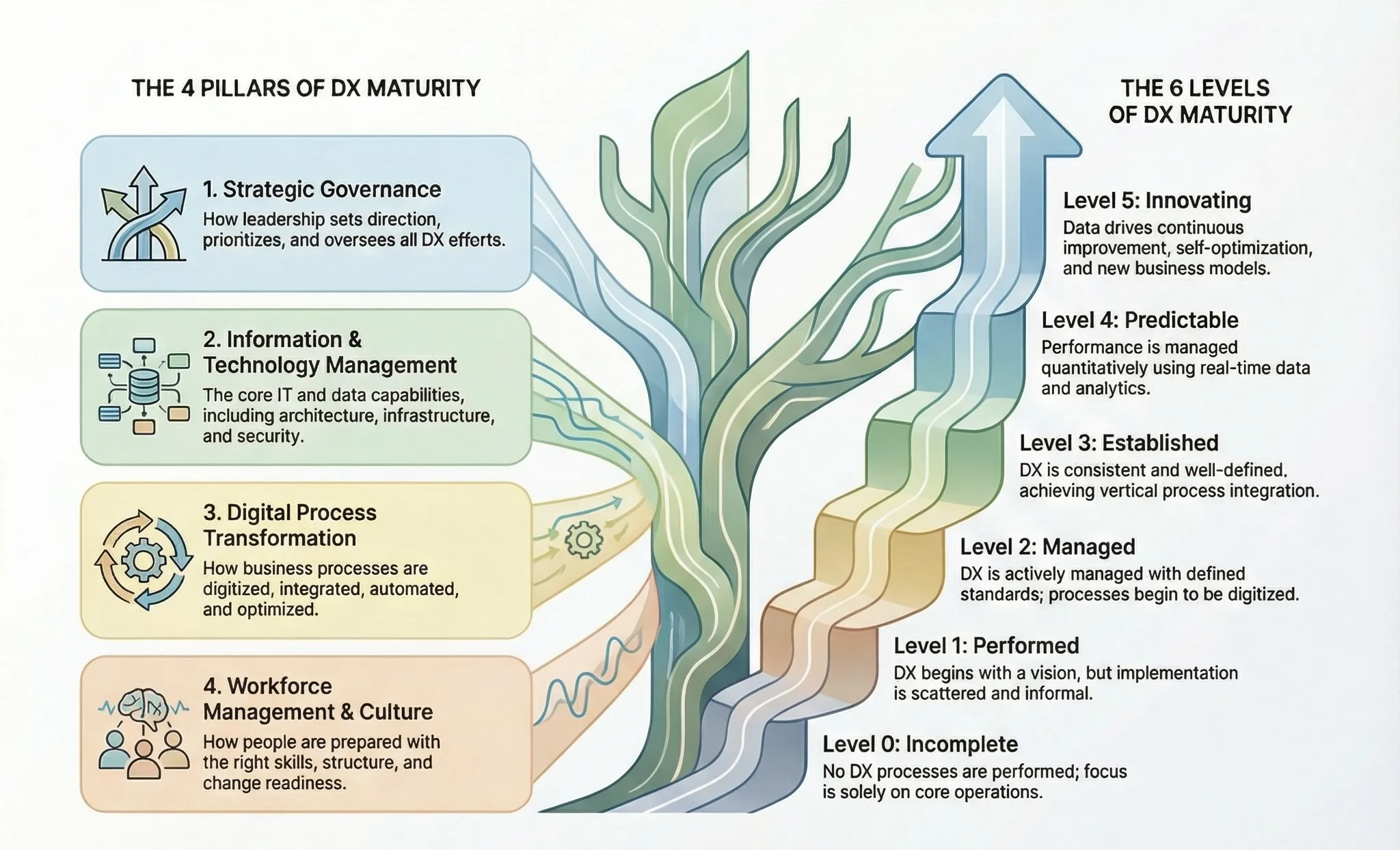
applied rigorous academic frameworks, specifically the Capgemini Framework and the Digital
Transformation Capability Maturity Model (DX-CMM). Crucially, to ensure our assessment was
empirically valid, we audited their processes against ISO/IEC 33020:2015 standards, requiring
quantitative evidence before assigning high maturity scores.
Why We Chose DHL Express:
While the Group is
vast, we selected the Express division for the deep-dive audit because it operates at the
intersection of extreme operational complexity and high competitive pressure. Holding 47% of the
global market share, DHL Express functions as a "virtual airline," orchestrating a fleet of 295+
aircraft (26% of which are on short-term leases) across 220+ countries. We chose this division
because its unique "asset-light" model requires millisecond-level routing precision, making it
the perfect candidate to test the impact of AI and data orchestration on global trade.
Key Findings & Analysis:
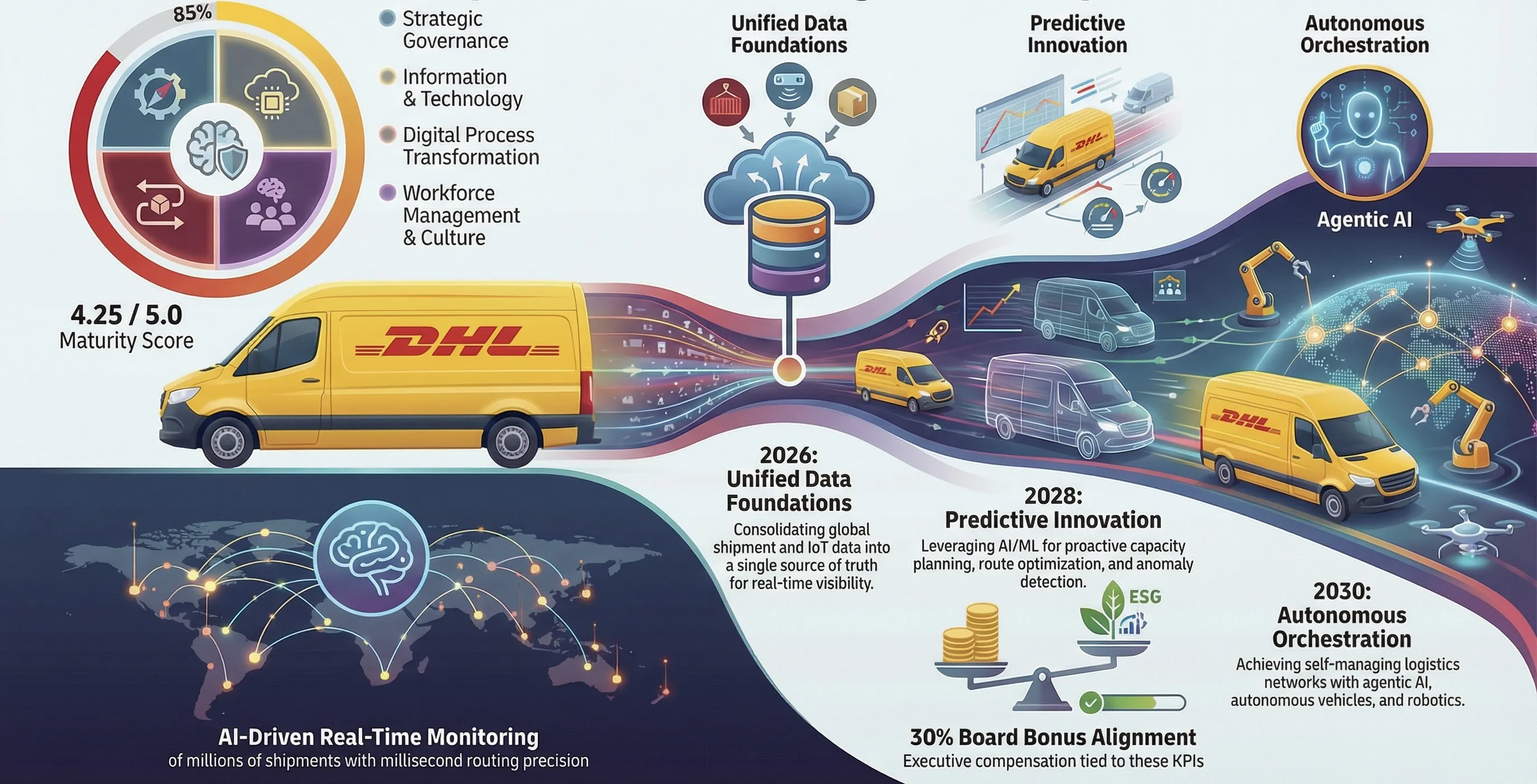
Our audit resulted in
a maturity score of 4.25 out of 5 (Level 4: Predictable).
•
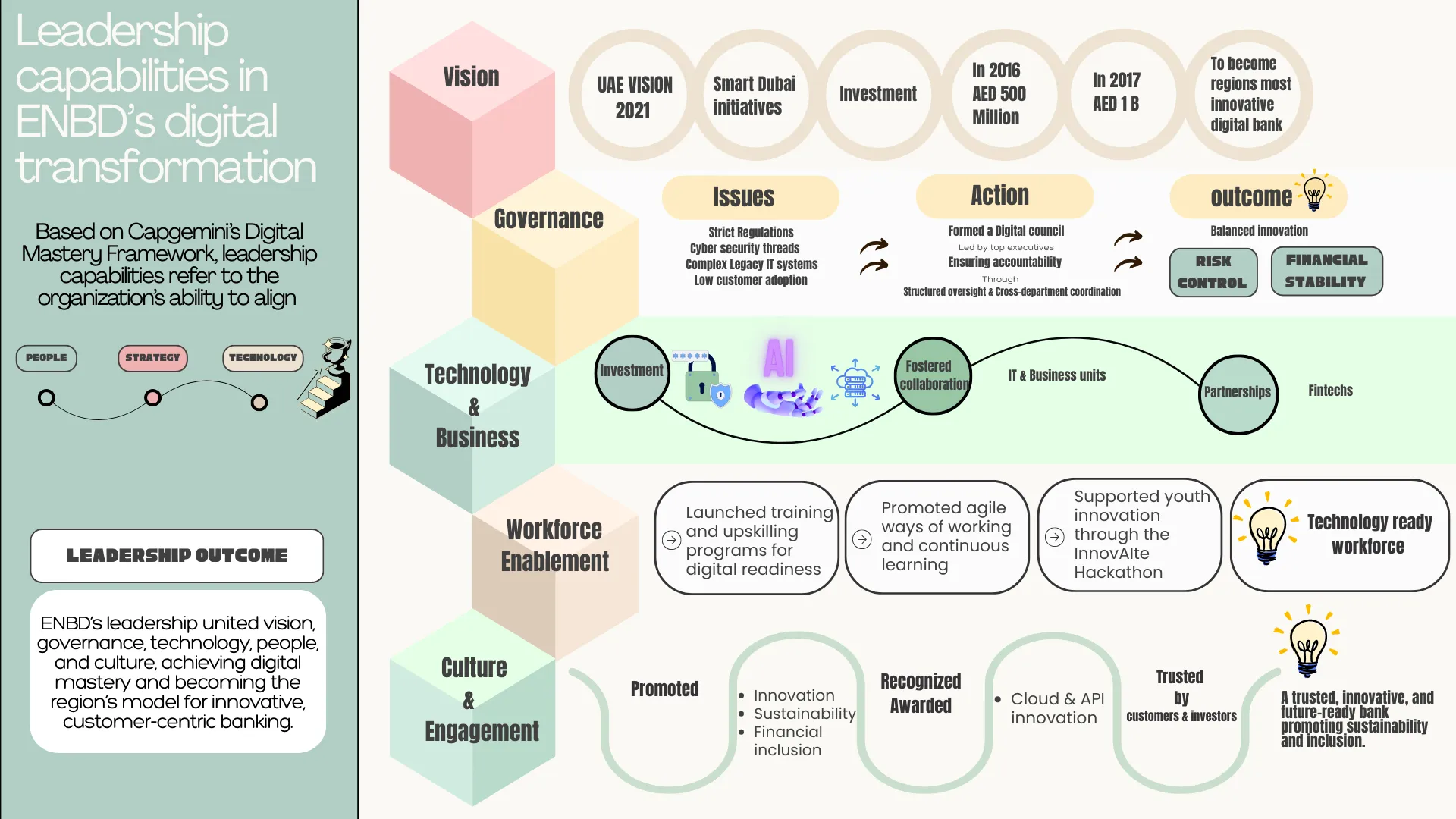
Strengths: We found that DHL excels in Strategic Governance and IT. Evidence
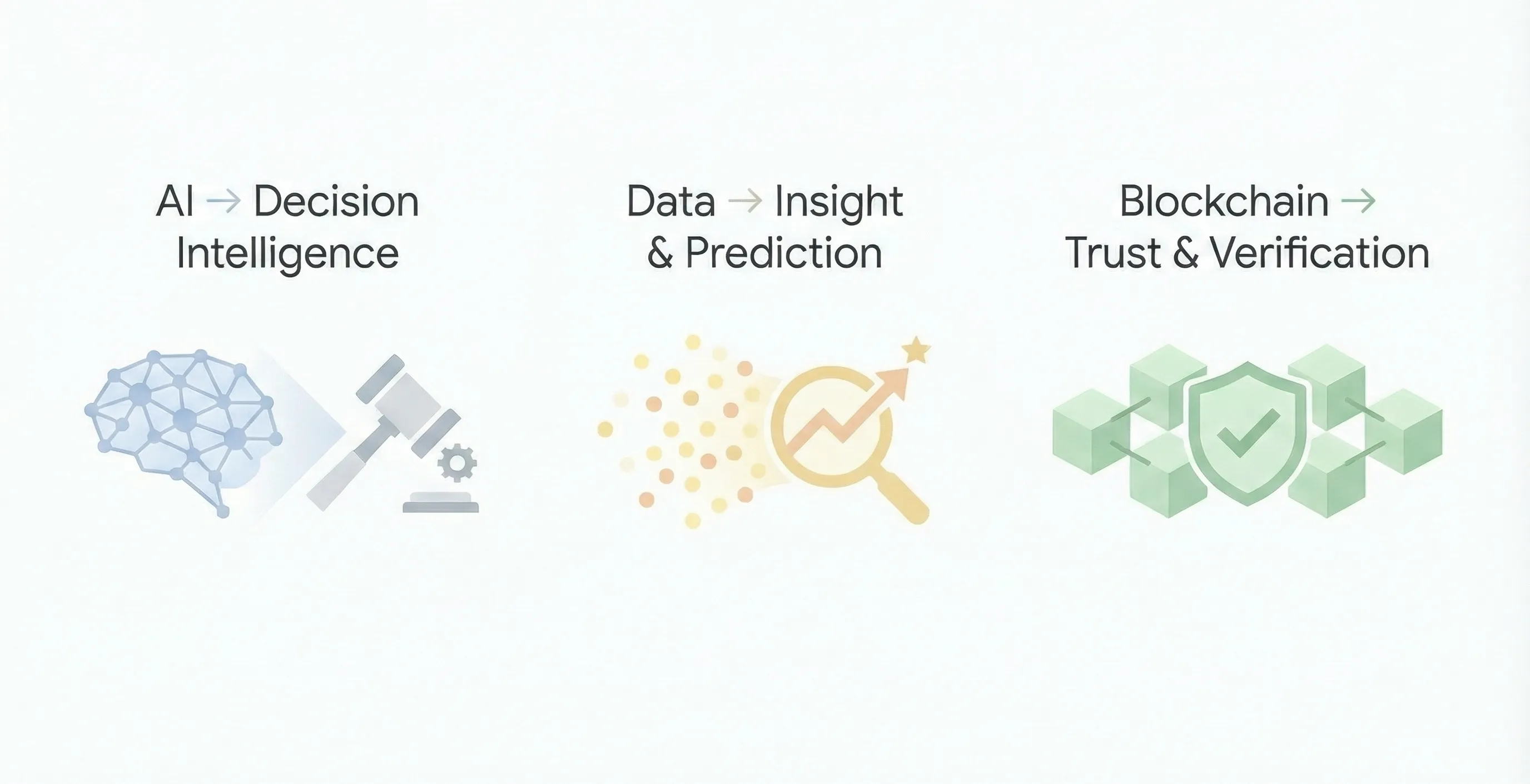
for this Level 4 rating included the Advanced Quality Control Center (AQCC), which uses AI to
predict delays in real-time, and their "people-first" culture where employee engagement scores
are directly linked to Board of Management bonuses.
• The Gap: Despite high
internal efficiency, we identified a "Horizontal Integration Gap." DHL Express relies on
external partners (commercial airlines/last-mile delivery) whose systems are not fully
integrated. Under the DX-CMM framework, this "connectivity barrier" prevents them from reaching
Level 5 (Innovating) because they lack full autonomous optimization across the entire
ecosystem.
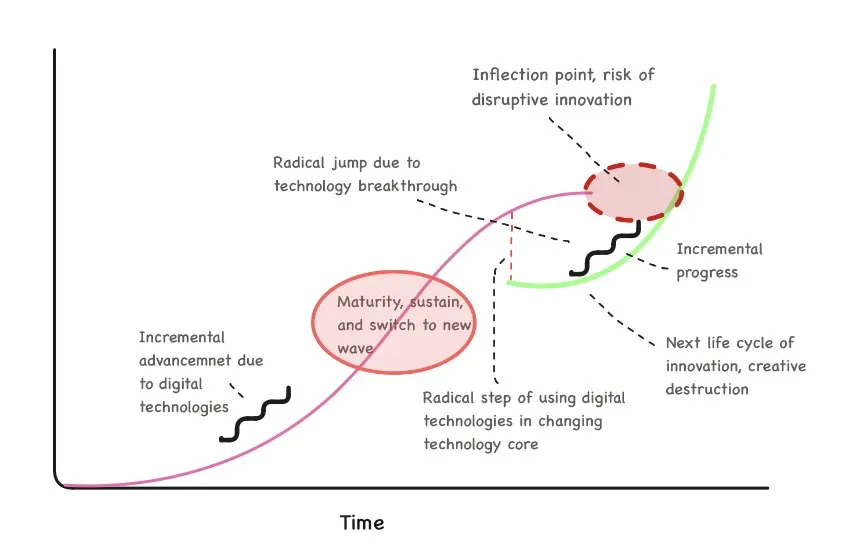
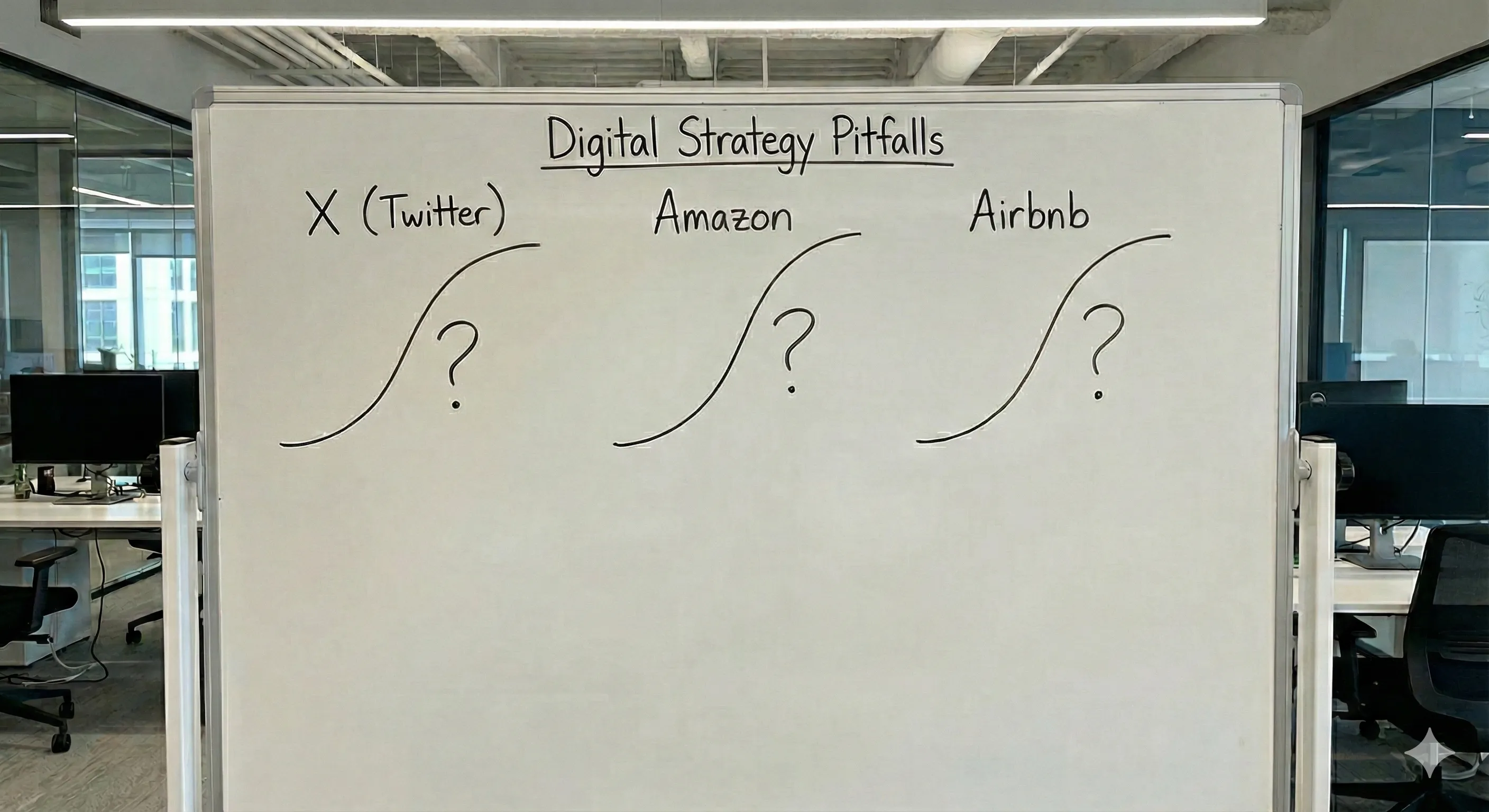
• The Risk: Using the McKinsey Framework, we diagnosed DHL with
"Pitfall 5": the risk of using digital tools merely to optimize existing operations (faster
trucks) rather than creating new business models. This leaves them vulnerable to "margin
compression" as physical shipping becomes a commodity.
Frameworks & Concepts Applied:
Capgemini
Digital Mastery Framework, DX-CMM (Digital Transformation Capability Maturity Model), ISO/IEC
33020:2015 Standards, McKinsey Digital Strategy Framework, Industry 5.0 Principles, Digital Twin
Concepts
Conclusion & Strategic Recommendation:
We concluded
that for DHL Express to survive digital disruption, it must evolve from a carrier into a
"Platform Orchestrator". We proposed a three-phase roadmap ending in 2030. In the short term (by
2026), we emphasized laying the digital foundations by establishing a unified cloud-based data
platform and upgrading customer interfaces like MyDHL+ to ensure high-quality data input. In the
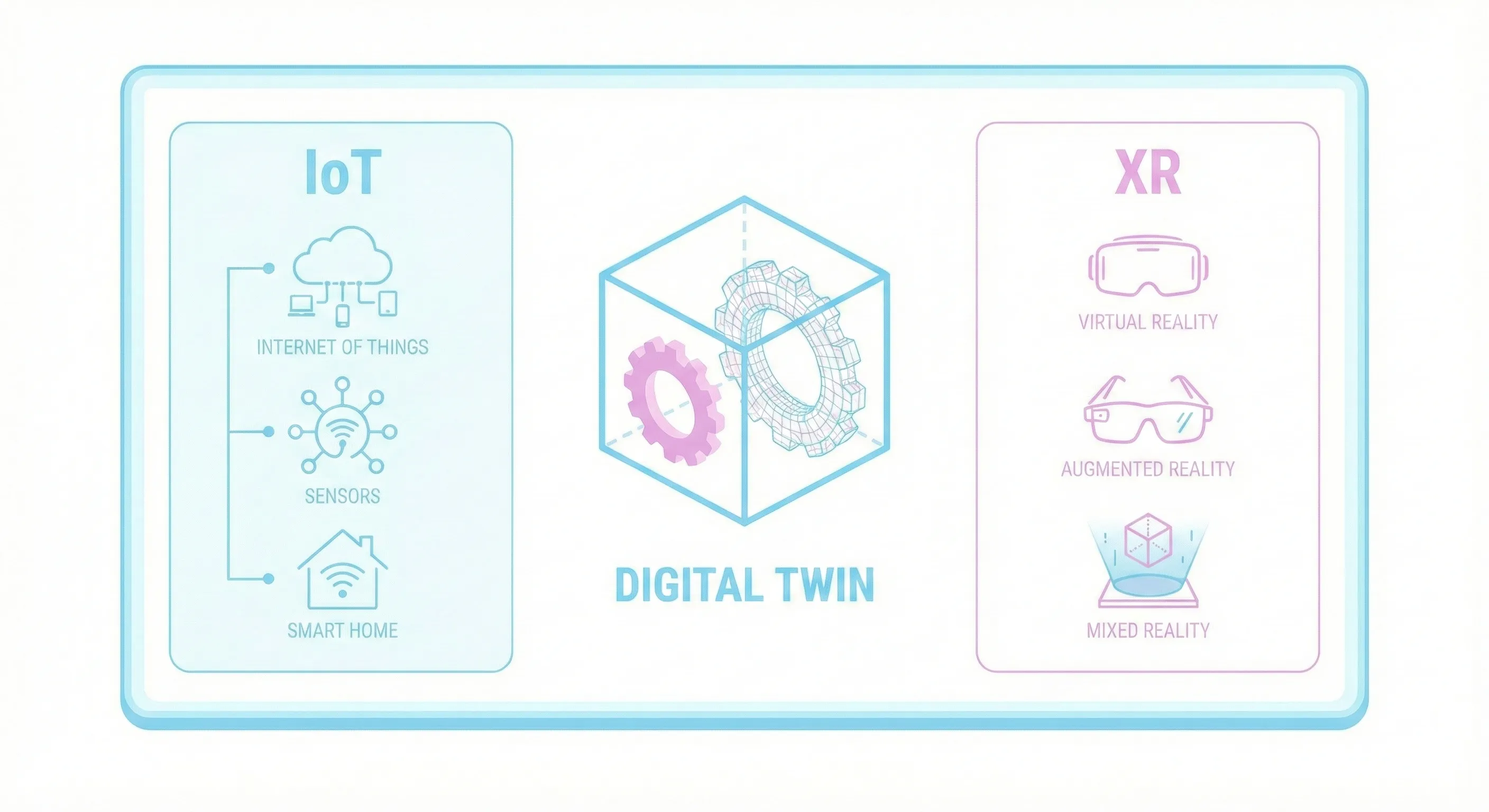
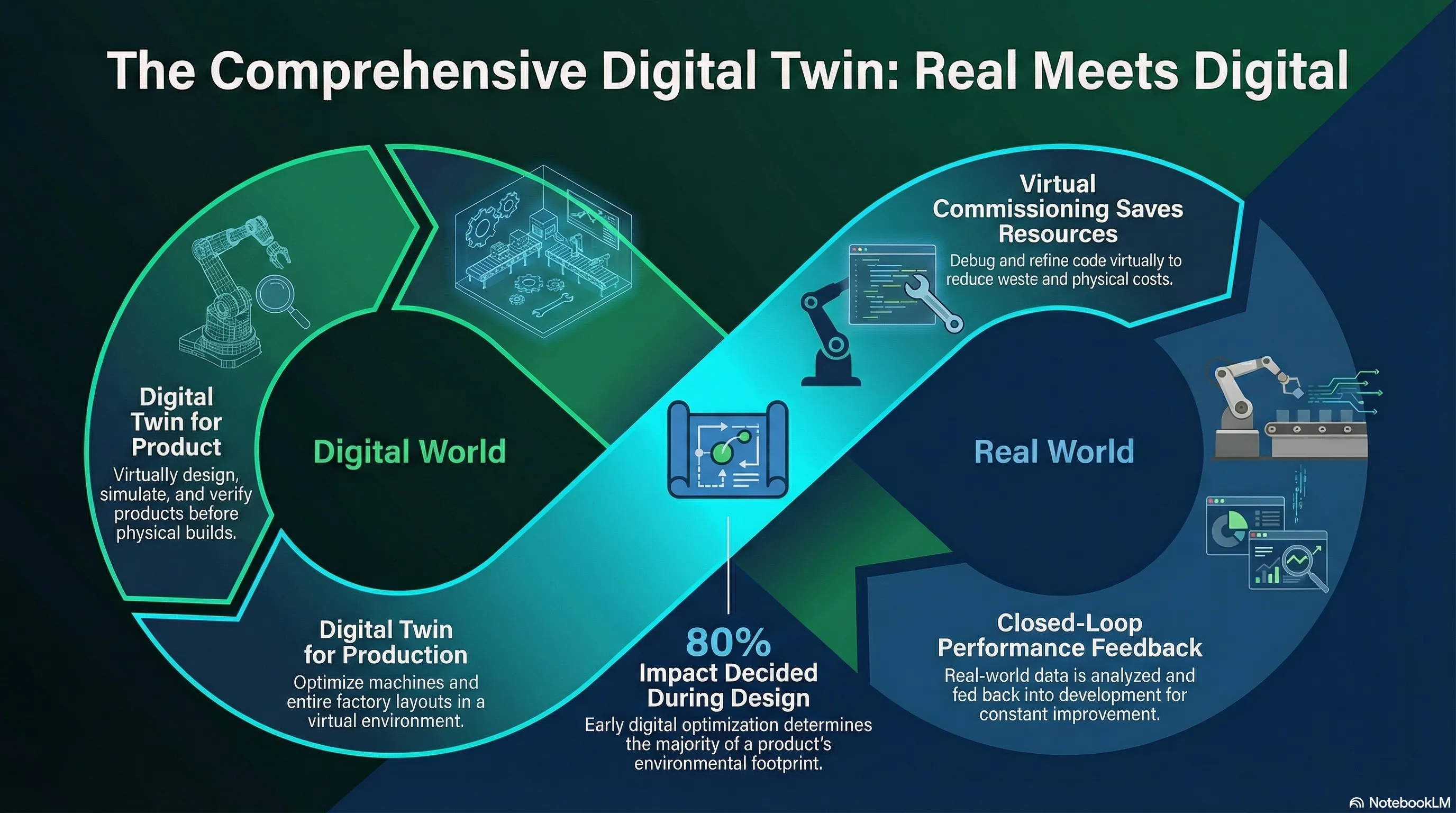
medium term, we recommended creating a Digital Twin of the global network to enable real-time
simulation and predictive optimization. Building on this foundation, the long-term strategy
focuses on monetizing data and infrastructure. By opening their platform to smaller players
(similar to Amazon FBA), DHL Express can stop selling just "transport" and start selling
"coordination", monetizing their data and premium analytics to external partners, ensuring
sustainable growth in a data-driven future.